
The Biggest Biological Project in History Is Happening Now
- And It Could Change Everything..
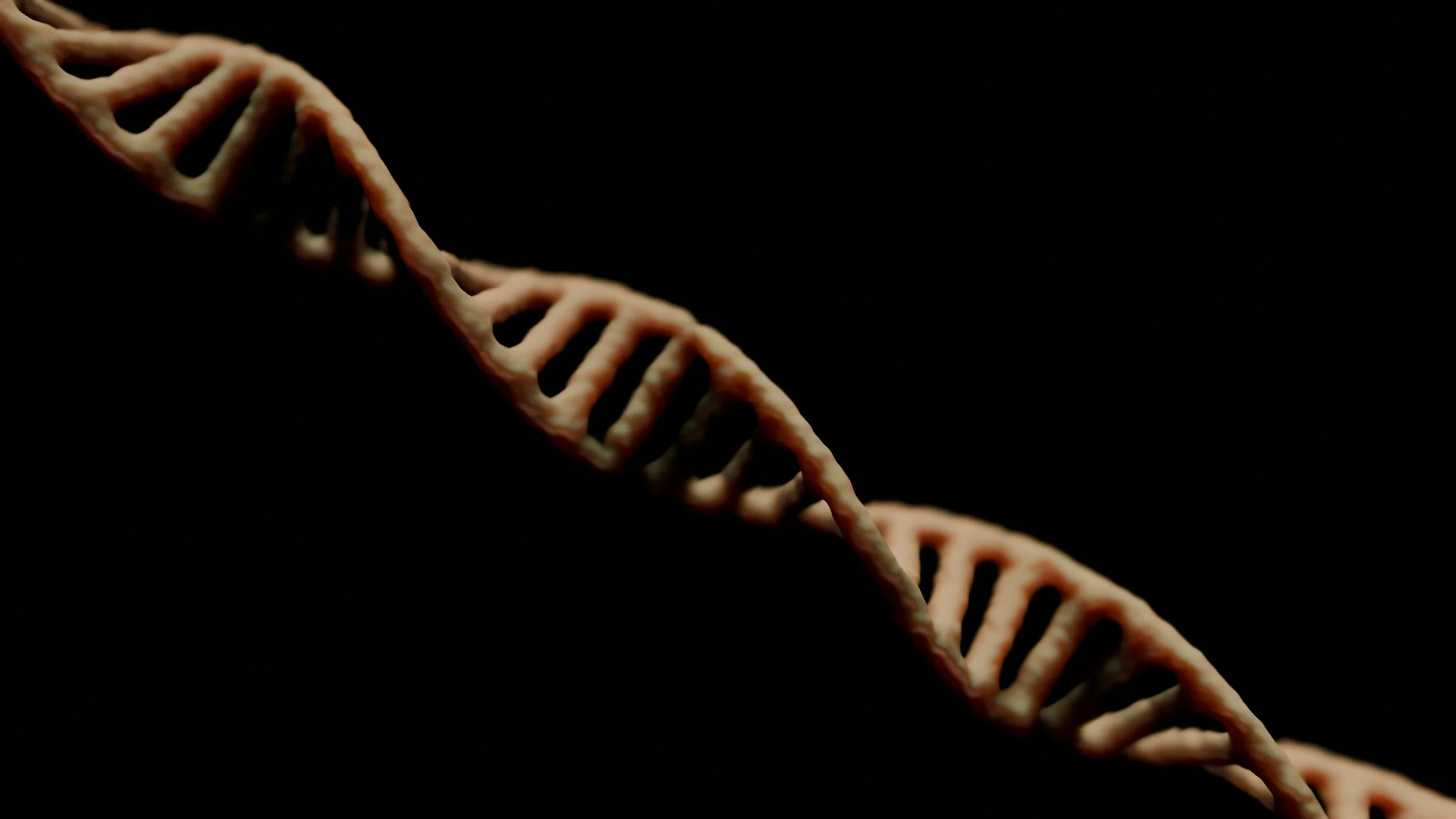
Stand Of DNA
(3min Read)
Across the planet, from the darkest ocean trenches to the moss on your front steps, life is buzzing with secrets we still don’t understand. And now, a global team of scientists wants to unlock them all.
Their idea is bold — maybe the boldest biology has ever seen: to map the DNA of every eukaryotic species on Earth.
That means every plant, every animal, every mushroom — from blue whales to blueberries to microscopic organisms you’ve never heard of.
This massive effort is known as the Earth BioGenome Project (EBP), and its supporters claim it could transform science in the same way the internet revolutionized communication. But what does it actually mean… and why should any of us care?
Let’s break it down —

Panda eating bamboo
🌱 What Are They Actually Doing?
Scientists want to create a giant “library of life,” where each species has its DNA fully sequenced and organized.
Right now, we’ve only done this for about 1% of known eukaryotic species. That’s like reading one page of a million-page book and saying you understand the story.
The EBP aims to address this by sequencing 1.8 million known species, as well as discovering millions more that have yet to be identified.
This huge library would be open for scientists everywhere — from conservationists to medical researchers to ecologists.
Imagine a searchable, global map of life’s blueprints.
🔬 Why Does It Matter?
DNA carries the instructions for how living things grow, survive, adapt, and evolve. Knowing these instructions could help us:
Protect endangered animals before it’s too late
Grow crops that survive extreme weather
Discover new medicines hidden in nature’s chemistry
Understand how life adapts to climate change
Prepare for future pandemics
Create biomaterials and fuels inspired by nature
This isn’t science fiction — it’s simply science catching up to the complexity of the world around us.
The Human Genome Project proved just how powerful this can be. It cost $3 billion — and generated almost $1 trillion in economic value. That’s a 300x return, all from sequencing one species.
Now imagine unlocking the DNA of everything.
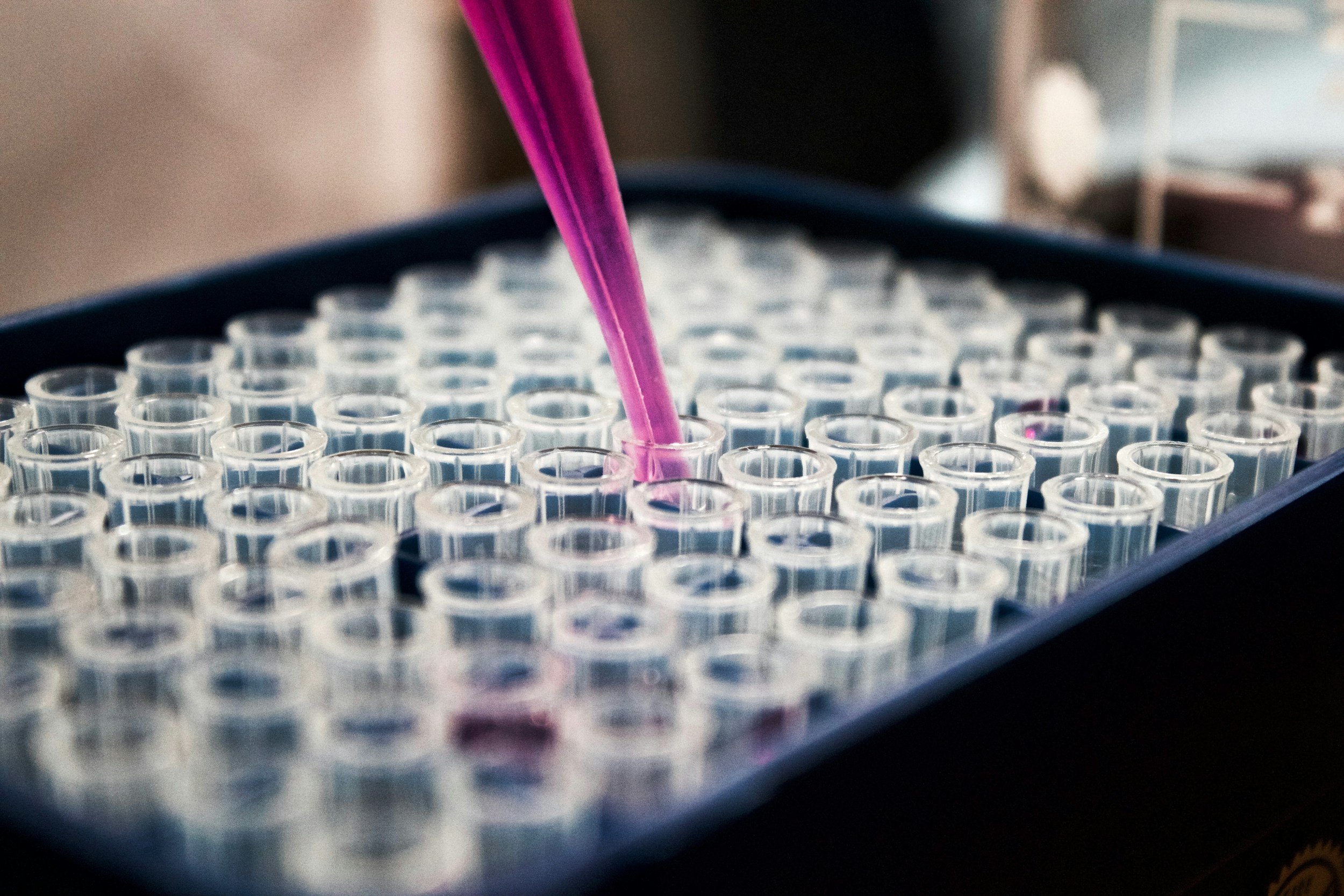
DNA Sampling
⚠️ But… could sequencing all life be dangerous?
Whenever technology gets this powerful, we should ask hard questions. Here are the most important ones:
1. Who controls all this data?
A genome library is great — unless someone uses it unfairly or tries to patent nature.
2. Could this lead to the exploitation of biodiversity-rich regions?
Countries in the Global South hold most of Earth’s species. It’s not okay if wealthy nations benefit more than the people who protect these ecosystems.
3. Could the knowledge be misused?
Advanced genetic knowledge requires responsibility. We must ensure it isn’t used to engineer harmful organisms or create inequality in medicine.
These concerns are real — and we believe honest conversation is essential.
🌈 Why This Project Gives Us Hope
Here’s the part people sometimes miss:
The EBP was built with these risks in mind.
The project includes committees focused on ethics, fairness, and respect for Indigenous knowledge. It strives to ensure that countries providing biodiversity also share in the benefits — scientific, medical, and economic.
It’s not just about technology.
It’s about global cooperation, equitable progress, and future generations.
Our perspective is simple:
Knowledge isn’t dangerous — the lack of wisdom is.
When we study life with humility and responsibility, we create tools that help the world thrive, not collapse.
And the potential is enormous.

A bright future is possible
🚀 The Future This Makes Possible
If the Earth BioGenome Project succeeds, here are some of the breakthroughs the next decades could bring:
Climate-adaptive forests that restore damaged ecosystems
New antibiotics found in species we’ve never sequenced before
Bio-engineered materials stronger than steel but grown like plants
AI models trained on the rules of evolution itself
Smart agriculture guided by genetic insights
Better vaccines and pandemic prediction systems
A deeper understanding of our place in the story of life
This project won’t solve every problem. But it will give future scientists the tools to do things we can’t even imagine yet.
And that, at Astra, is what the future is all about.
Curiosity.
Responsibility.
Hope.
The Earth BioGenome Project is a reminder that humanity is still capable of big dreams — and big teamwork.
🔭 Want to Explore More?
Would you like a follow-up article diving into:
🌿 How does genome data help endangered species recover?
🧬 How this tech could change medicine?
🛰️ How Astra imagines the next 50 years of bio-innovation?
Tell us which direction you want to explore next.
Source: Earth Biogenome Project
